
|
|







| Speaker | Biography |
|
|
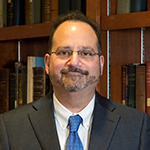
Ulysses G. J. Balis, MD, Fellow AIMBE, is the A. James French Professor of Pathology Informatics and Director of the Division of Pathology Informatics at the University of Michigan, with additional roles as Director of the Computational Pathology Laboratory Section, and Director of the Informatics Fellowship Program. He serves as this year’s Pathology Informatics Summit conference co-director. Dr. Balis has longstanding interests in data analytics, natural language processing, digital image analysis, computational pathology, and AI-driven workflow. During his career, he has carried several foundational roles in pathology-related areas, including: the creation of subspecialty boards for Clinical Informatics, the development of quantitative real-time PCR instrumentation (e.g. the Roche Light Cycler), the development of circulating maternal-fetal cells / tumor cell microfluidics detection technology (Living MicroSystems, Artemis Health, and Verinata Health), and the development of the original DICOM Visible Light (VL) Image Object Definition (IOD), which was later transformed into the Whole Slide Imaging IOD. He was elected as a Fellow of the American Institute for Medical and Biological Engineering in 2015 for his engineering contributions to laboratory instrumentation, pathology bioinformatics, and computational imaging in histology image search and analysis algorithms. His division has recently activated all-digital primary diagnostic workflow in support of anatomic pathology, with the concurrent development of an associated computational pathology laboratory section that develops original computational solutions and pipelines intended for clinical use. Most recently, he has assumed the role of Chief Medical Officer of Diagnostic Medicine Consortium, Inc. (a public service / non-profit 501(c)(3) subsidiary of the Project Santa Fe Foundation), towards the goal of democratizing advanced data sciences tools for value-based, proactive population health management.
|
|
|
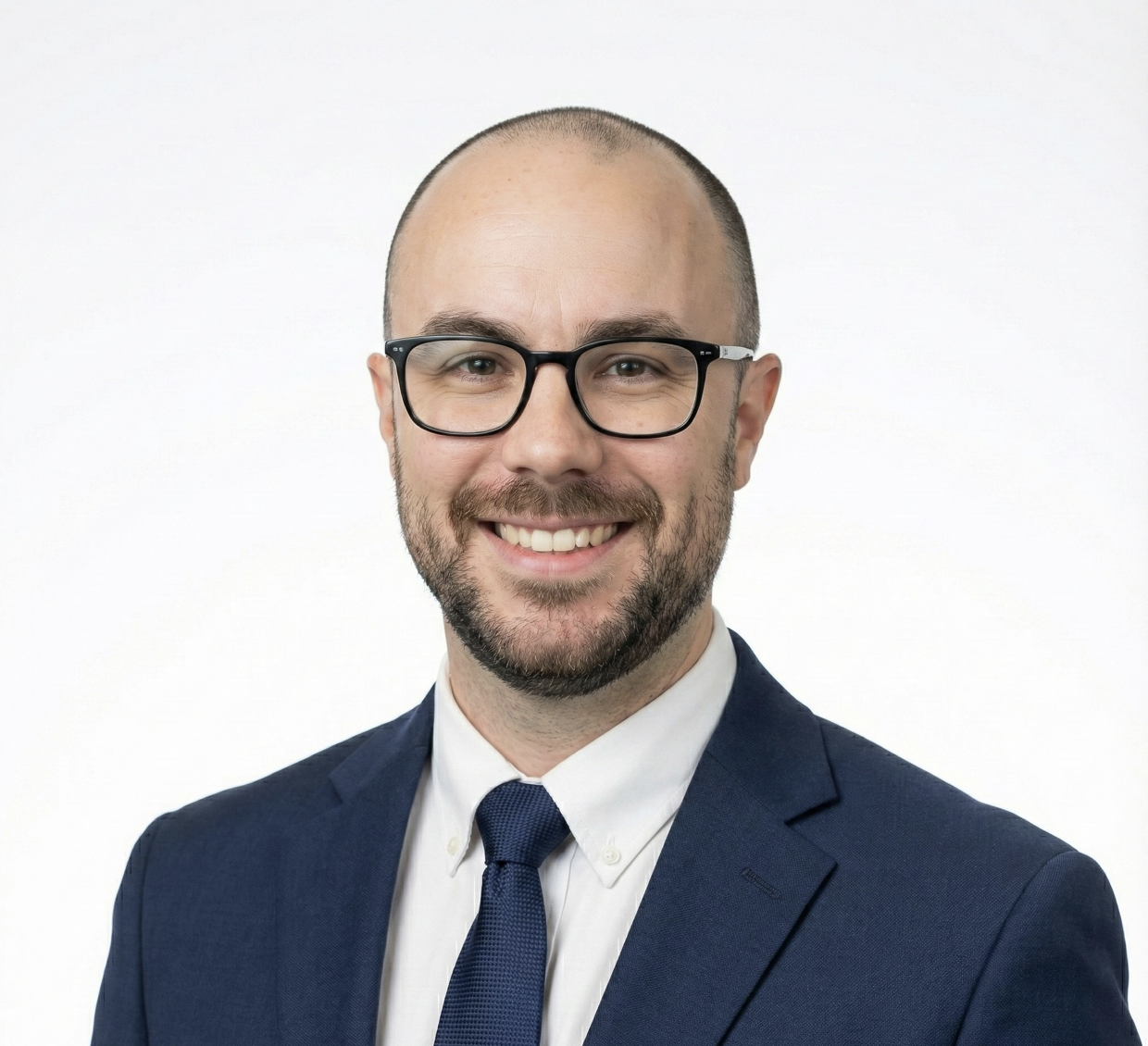
Dr. Matthew Cecchini is an Associate Professor of Pathology and Laboratory Medicine at Western University's Schulich School of Medicine & Dentistry and a staff pathologist at London Health Sciences Centre (LHSC) in London, Ontario. He completed his pulmonary pathology fellowship at Mayo Clinic and holds an MD, PhD, and FRCPC. As Digital Pathology Transformation Lead at LHSC and a board member of the Digital Pathology Association, he focuses on translating computational pathology into everyday practice — spanning AI applications in diagnostic medicine, edge AI deployment, and the digital infrastructure that scales it. His current work explores how agentic AI workflows can augment, rather than replace, the expertise of the diagnostic team. |
|
|
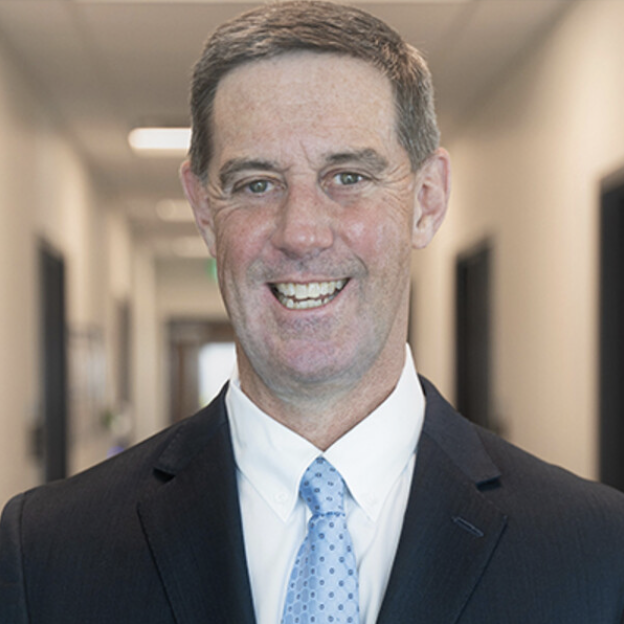
Dr. Andrew Evans is the Chief of Pathology at Mackenzie Health (MH) in Vaughan, a 2-site community hospital that transitioned to digital19pathology in 2021. He is a Consultant in Genitourinary (GU) pathology and an Associate Professor in the Department of Laboratory Medicine and Pathobiology at The University of Toronto. Prior to moving to MH in 2020, he was at University Health Network in Toronto for 20 years serving as Director of Digital Pathology from 2004-2020. He has been extensively involved in developing best practice documents for digital pathology with the College of American Pathologists (CAP) where he has Chaired several committees and working groups. He received a Lifetime Achievement Award from CAP in 2021. He is currently a member of the CAP Artificial Intelligence Committee and Council on Informatics and Pathology Innovation. For over 20 years, he has been actively involved in GU pathology research and teaching and has most recently focused on the development of artificial intelligence tools in prostate pathology. He has been a member of provincial, national, and international expert panels that have developed guidelines for the diagnosis and treatment of genitourinary cancers. He is currently a member of the Ontario Health-Cancer Care Ontario (OH-CCO) Genitourinary Cancers Advisory Committee and is Clinical Lead for the Ontario Laboratory Medicine Program Expert Panel on Pathology. |
|
|
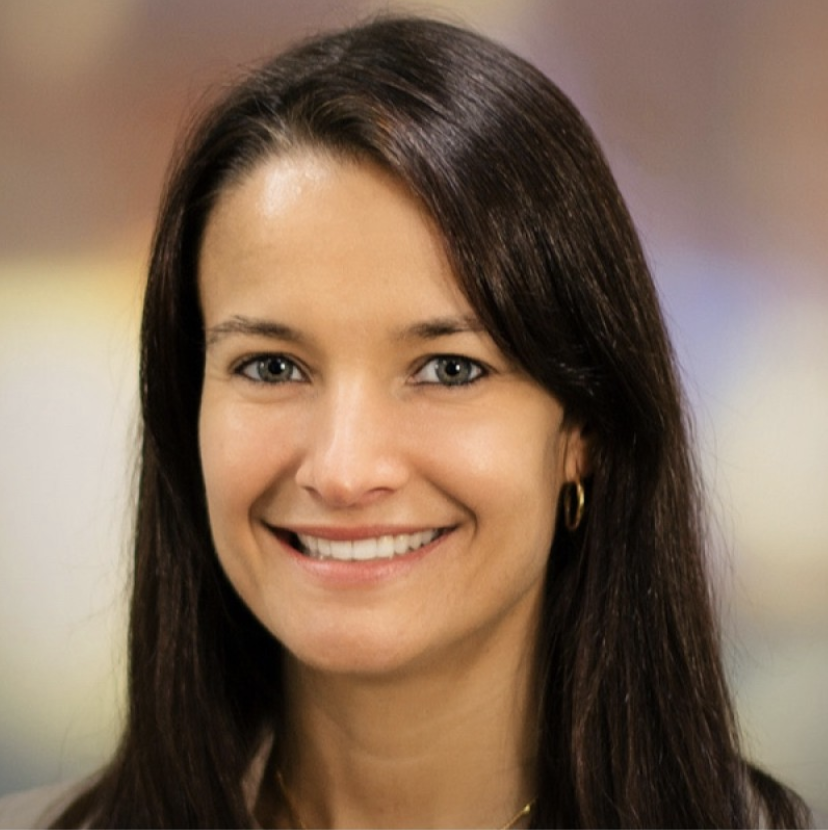
Larissa Furtado is an internationally recognized molecular pathologist and leader in precision diagnostics. She is widely recognized for her national leadership in pathology practice standards, molecular diagnostics, and AI through prominent service with the College of American Pathologists (CAP), Association for Molecular Pathology (AMP), and NIH ClinGen, including as Chair of the CAP Artificial Intelligence Implementation Guide, Chair of AMP’s consensus recommendations for tumor mutational burden assay validation and reporting, and Co-Chair of the CAP guideline for PD-L1 and tumor mutational burden testing in lung cancer. Her work has been recognized through honors including the American Society for Clinical Pathology (ASCP) 40 Under Forty award. |
 |
Jochen K. Lennerz, MD, PhD is Medical Director for Pathology Innovation at Natera, where he leads initiatives at the intersection of molecular diagnostics, digital pathology, artificial intelligence, and regulatory science. He previously served on the faculty of Harvard Medical School and Massachusetts General Hospital, where he held leadership roles in integrated diagnostics and clinical molecular pathology. Dr. Lennerz has authored more than 250 peer-reviewed publications and is internationally recognized for his work in digital pathology, laboratory medicine, AI implementation, and diagnostic innovation. His work focuses on translating emerging technologies into safe, scalable, and clinically meaningful diagnostic practice through evidence-based implementation, quality systems, and policy development. |
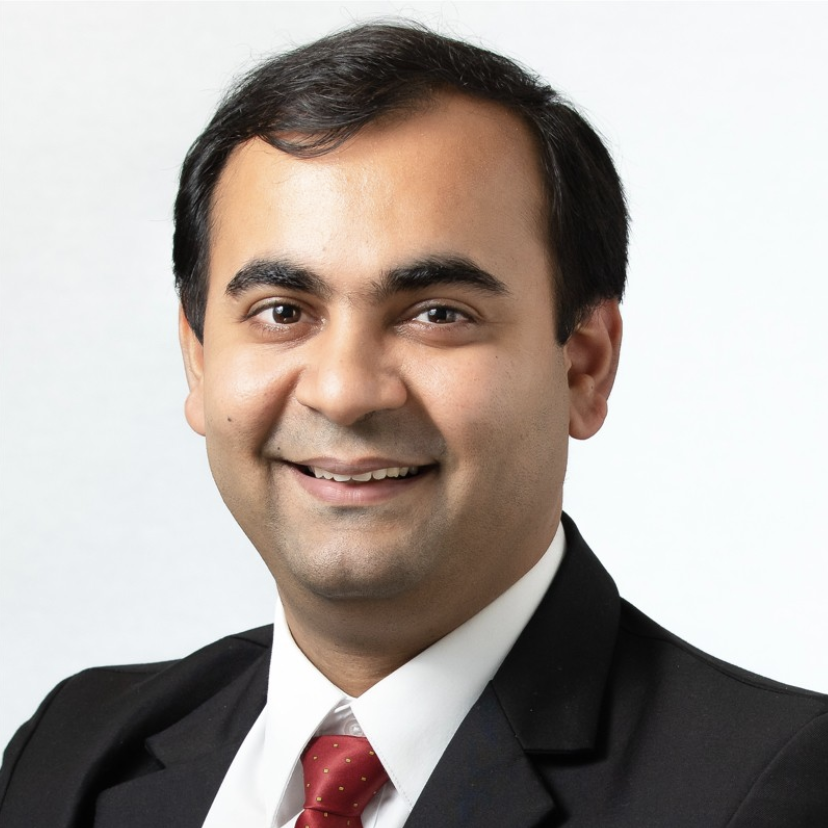 |
Dr. Jitin Makker is an Assistant Professor of Pathology and Laboratory Medicine at UCLA and serves as Director of Informatics for Anatomic Pathology. He is board-certified in Anatomic and Clinical Pathology and Clinical Informatics and completed his pathology residency at the University of Southern California, followed by fellowship training in Surgical Pathology and Clinical Informatics at UCLA. His work focuses on digital pathology, artificial intelligence, clinical decision support, and the development and implementation of informatics solutions that improve laboratory quality, efficiency, and patient care. He has led initiatives involving digital pathology implementation, AI-assisted image analysis, and pathology workflow automation.
|
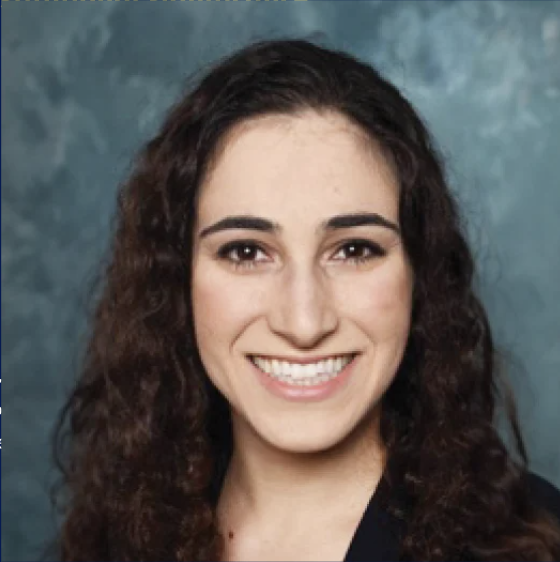 |
Dr. Rojansky is an assistant professor and co-Director for Pathology Informatics at Stanford University. She completed her MD/PhD at UCLA/Caltech and her residency and fellowship training at Stanford University with subspecialty training in hematopathology and molecular genetic pathology. Her research interests include digital pathology and AI for improved medical diagnosis. |
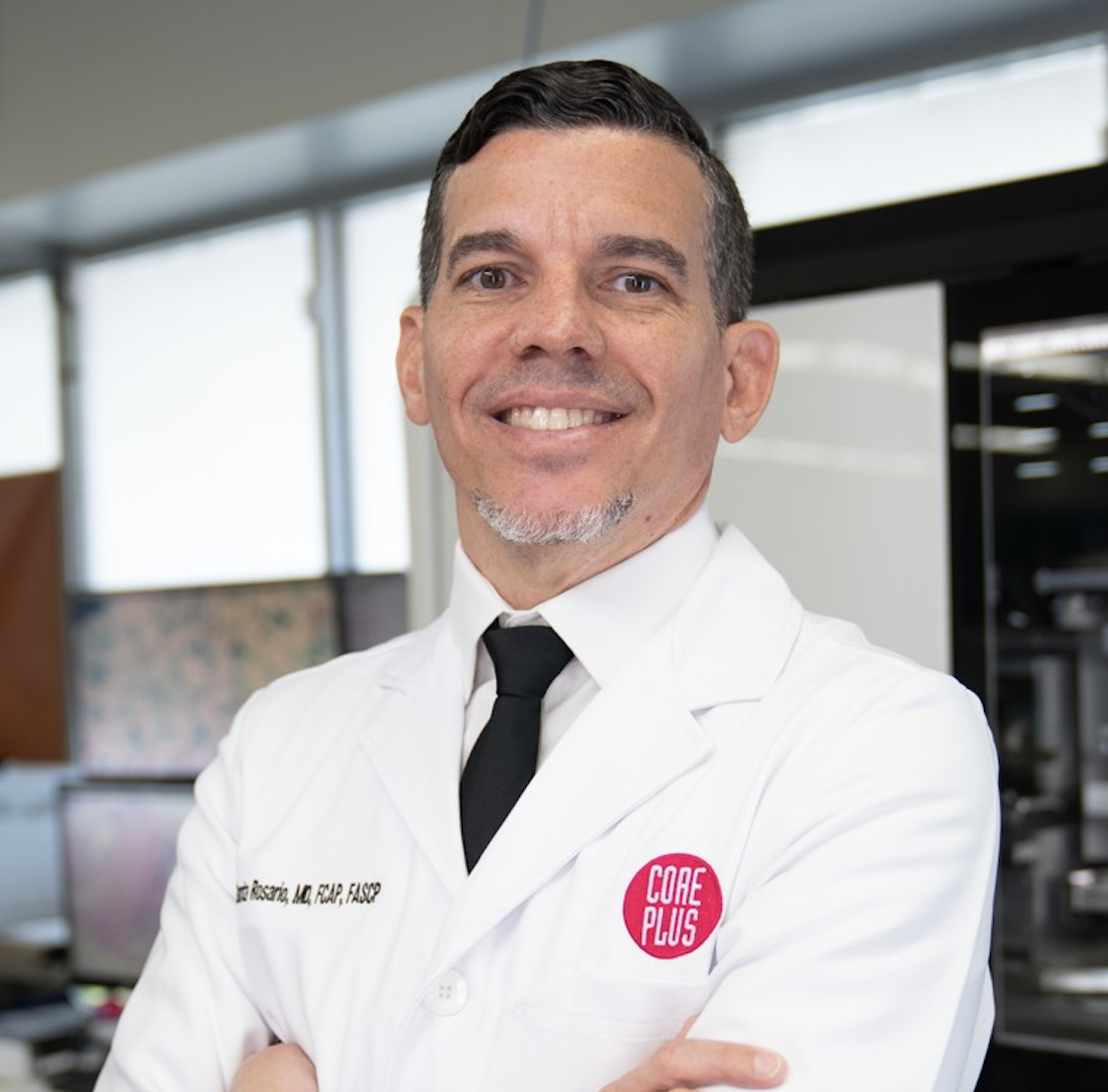 |
Juan C. Santa-Rosario, MD is a board-certified pathologist in Anatomic and Clinical Pathology and serves as Chief Medical Officer of CorePlus. He earned his medical degree from the University of Puerto Rico where he also completed his residency training. Dr. Santa-Rosario has developed significant expertise in genitourinary pathology as well as in digital and computational pathology. He is actively involved in education, laboratory innovation, and the advancement of AI-enabled diagnostic solutions in modern pathology practice. |
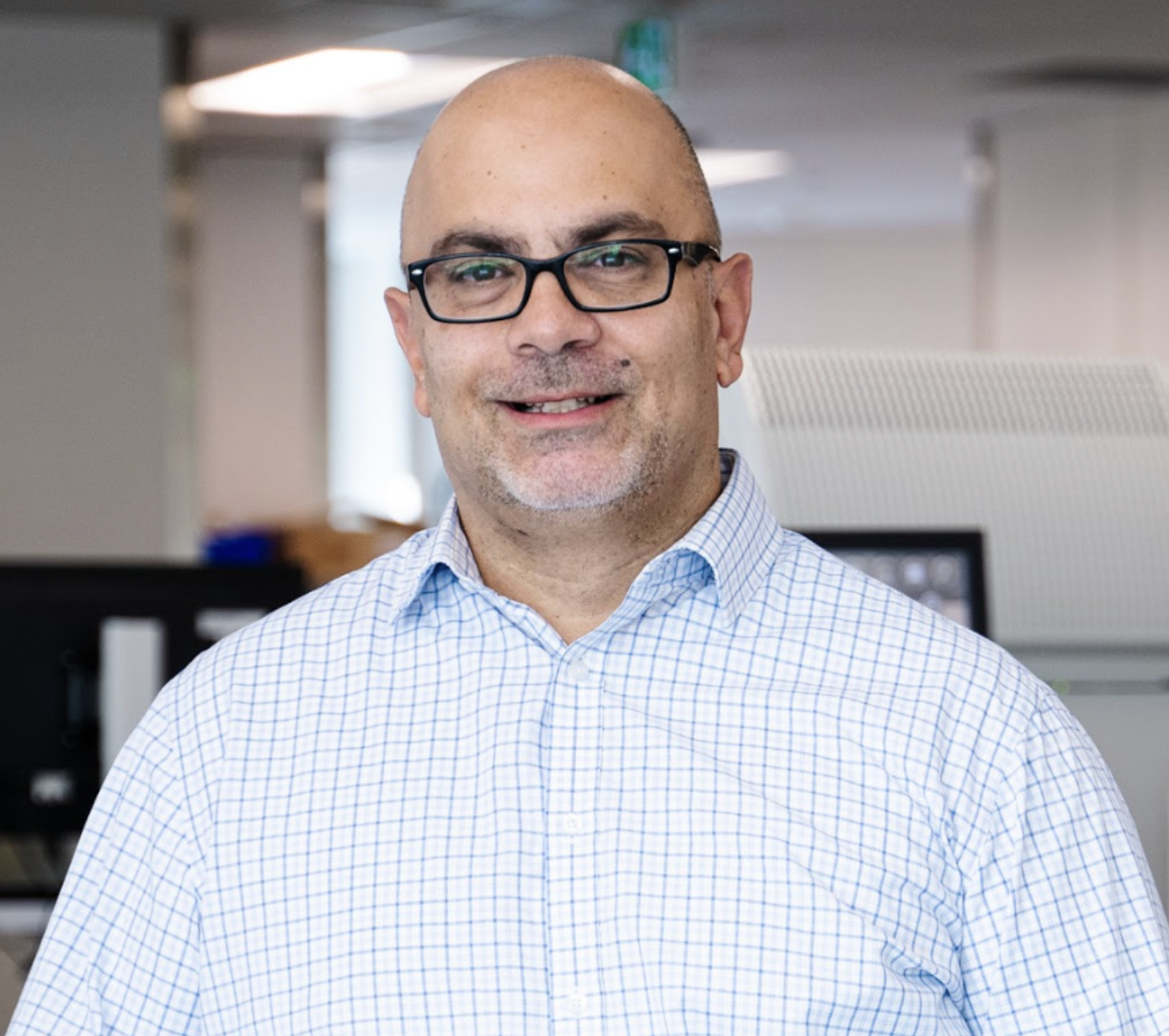 |
Jim Tsourgiannis is the Director of Medical Imaging and Laboratory Services for Mackenzie Health (Hospital Sites in Richmond Hill and Vaughan, Ontario, Canada), where he has helped implement the first fully digital Pathology Lab in Canada. In addition, has also taught Histology Laboratory theory and practices to International Bridging students, along with teaching On-Line Leadership and Quality courses as part of a clinical certificate program. He has contributed to publications on the effects of prolonged tissue fixation and on the success of an in- house Irretrievable Specimen tracking program. Jim holds an Executive MBA, a BSc, is a Licensed Medical Laboratory Technologists (MLT) and a Certified Lean Six Sigma Green Belt. |
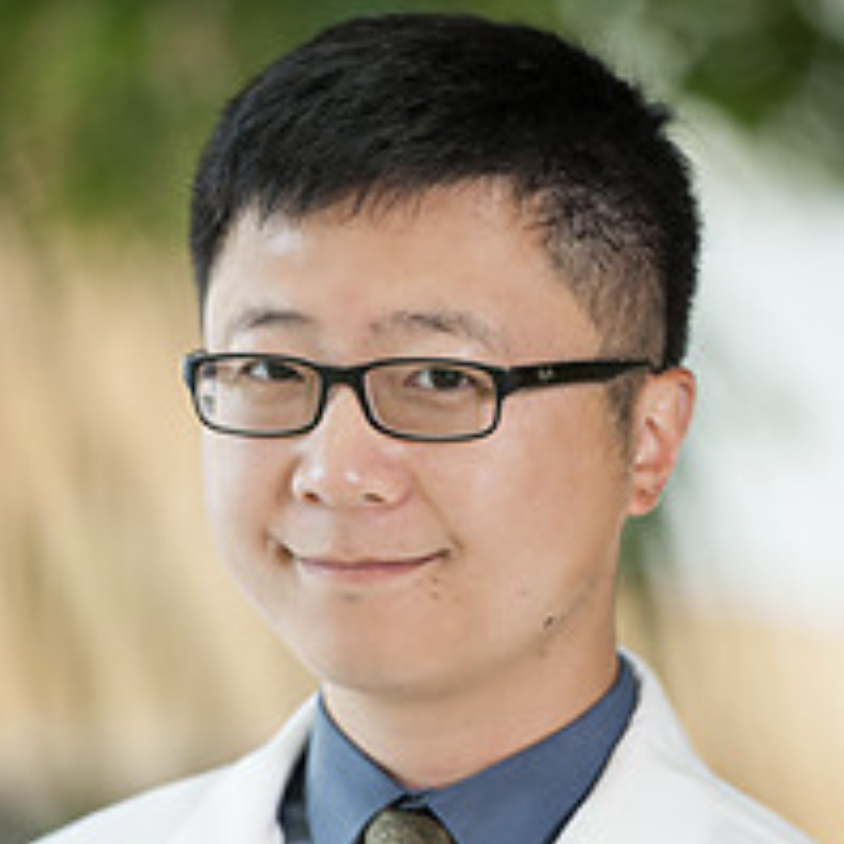 |
Dr. Yao is an Assistant Professor, Pathology Informatics Physician Lead, and cytopathologist in the Department of Pathology and Laboratory Medicine and Enterprise Information Services at Cedars-Sinai in Los Angeles, CA. He currently serves as an Assistant Editor for AI and Machine Learning focused articles for the Journal of Pathology Informatics. Dr. Yao did a Pathology Informatics fellowship and cytopathology fellowship at the University of Michigan and is boarded in AP, CP, Cytopathology, and Clinical Informatics. |
 |
Dr. Mustafa Yousif serves as an Assistant Professor, Informatics and the Director of Digital Pathology at the University of Michigan in Ann Arbor, MI, USA. He earned his medical degree from the University of Al-Mustansiriyah in Baghdad, Iraq, and completed his anatomical and clinical pathology residency at Wake Forest University. Following this, Dr. Yousif undertook a fellowship in Gynecologic and Breast Pathology at the University of Pittsburgh Medical Center, as well as a fellowship in Pathology Informatics at the University of Michigan's Department of Pathology Informatics. He possesses extensive knowledge and a keen interest in pathology informatics and digital pathology. His research primarily focuses on digital pathology and artificial intelligence, with a particular emphasis on computer vision and image analysis, in addition to his work in gynecologic and breast pathology.
|